
Invisalign straightens crowded, gapped or crooked teeth with trays made from a digital scan of your mouth. You swap to a new tray every week or two, wear them about 22 hours a day, and take them out to eat and brush.
Who it works for
- Adults who had braces as a teenager and have seen their teeth shift back
- Teens who want to avoid brackets and wires
- Crowding, spacing, overbite, underbite and crossbite in most mild to moderate cases
- Patients preparing for veneers or implants who need a tooth moved first
Some bites still do best with traditional braces. If that is you, we will say so at the consultation and refer you to an orthodontist we trust.
How it works
- Consultation and scan
A $99 deposit holds your time and is refunded in full at the visit. A digital scanner maps your teeth in a few minutes, with no gooey impressions. You see a simulation of the finished smile the same day. - Your aligners arrive
Within a few weeks you pick up your first sets. Small tooth-colored attachments may be bonded to a few teeth to help the trays grip. - Check-ins along the way
Short visits to confirm the teeth are tracking and hand you the next batch of trays. How often varies by case, on average every 1 to 6 months. Most treatments run 6 to 18 months. - Retainers
When the movement is done you get retainers to keep the result. Nightly wear is the habit that makes it permanent.
Real cases from our office
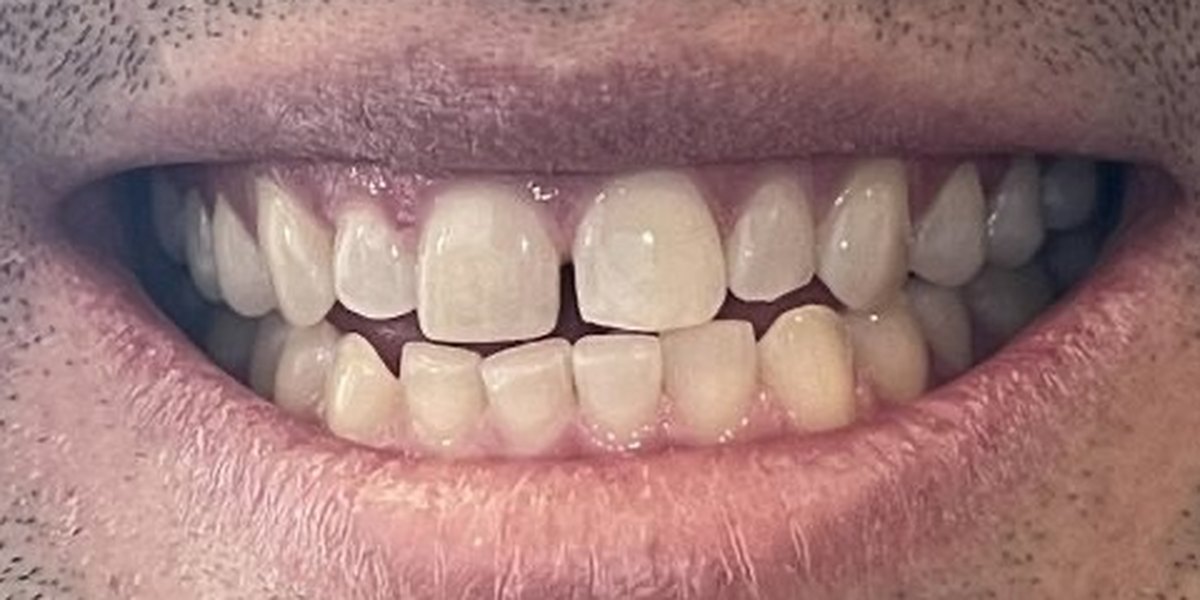
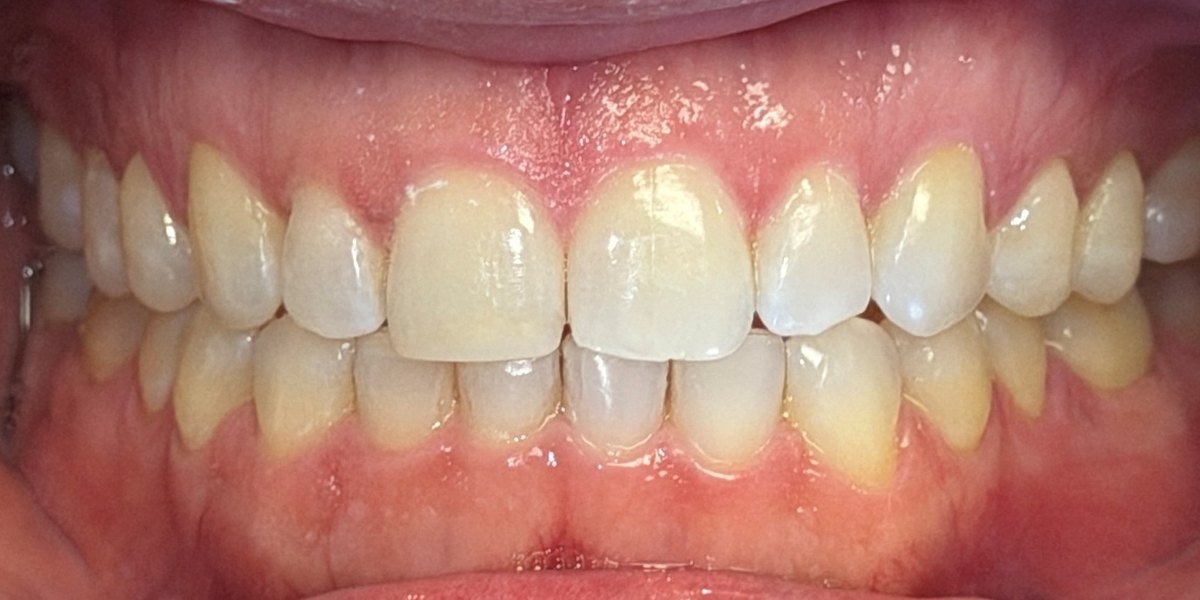
Spaces between the teeth closed
Gaps between the upper and lower front teeth were closed with Invisalign clear aligners.
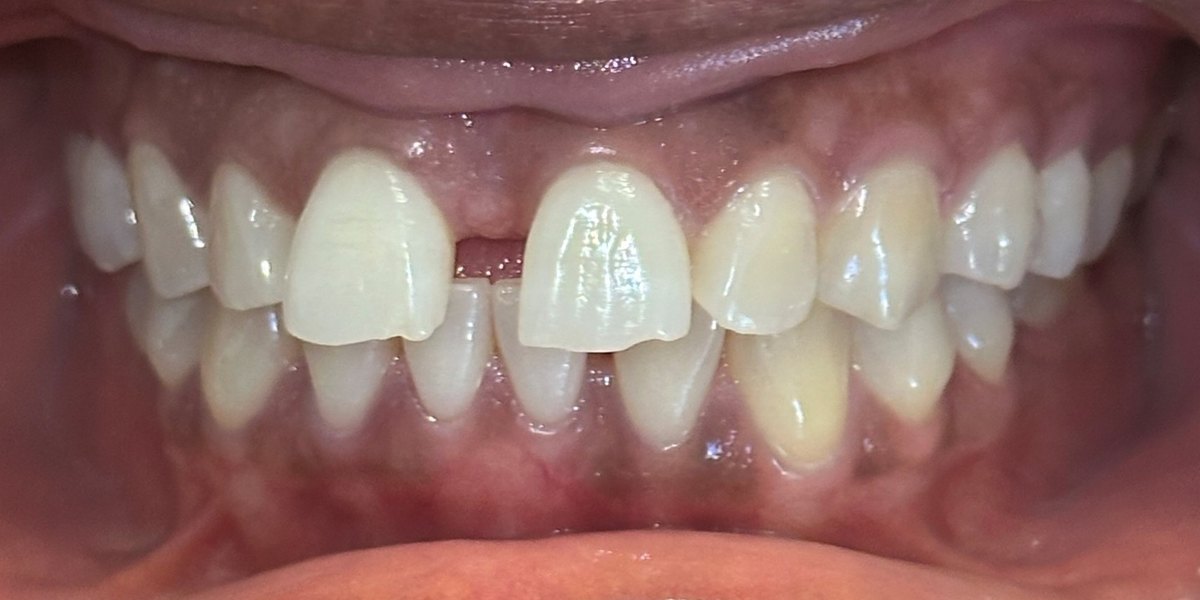
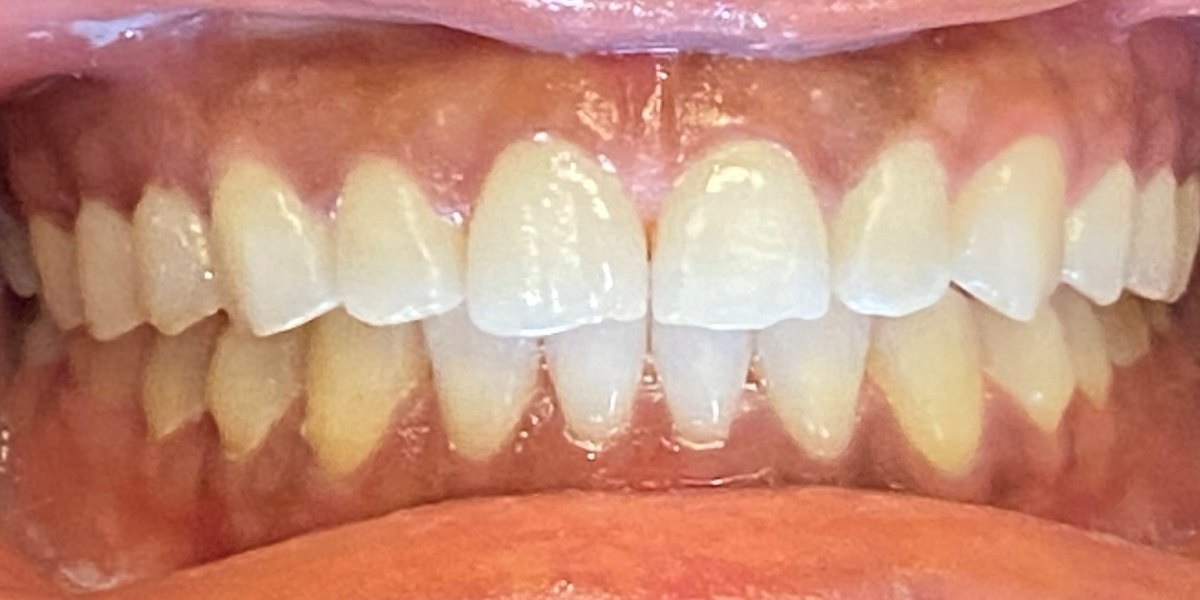
A gap between the front teeth closed
The space between the upper front teeth was closed with Invisalign clear aligners.
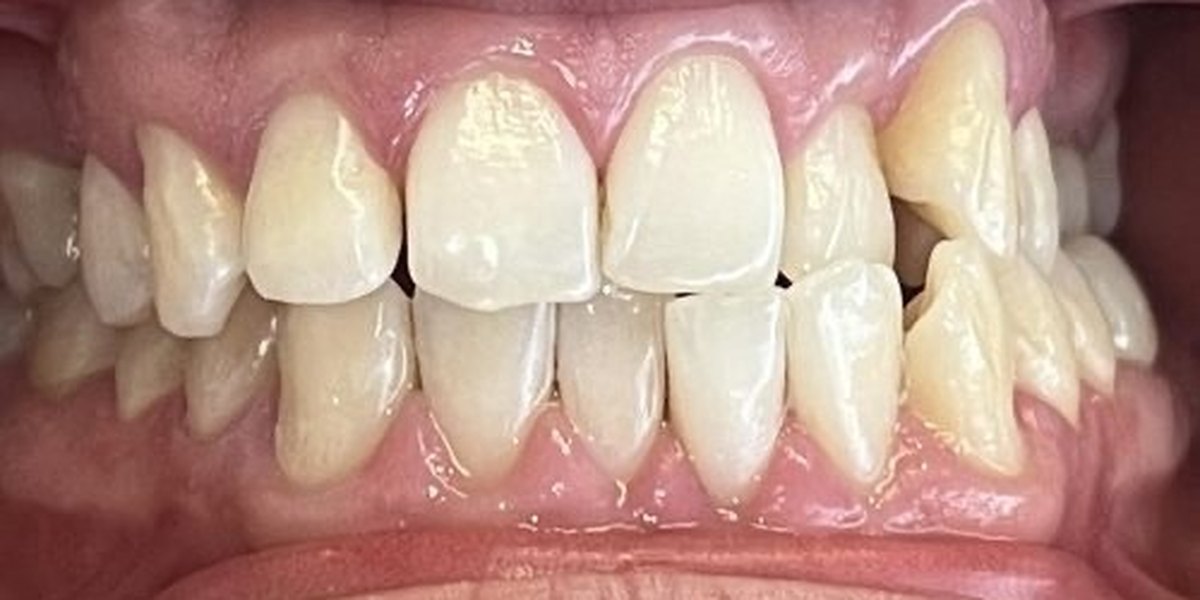
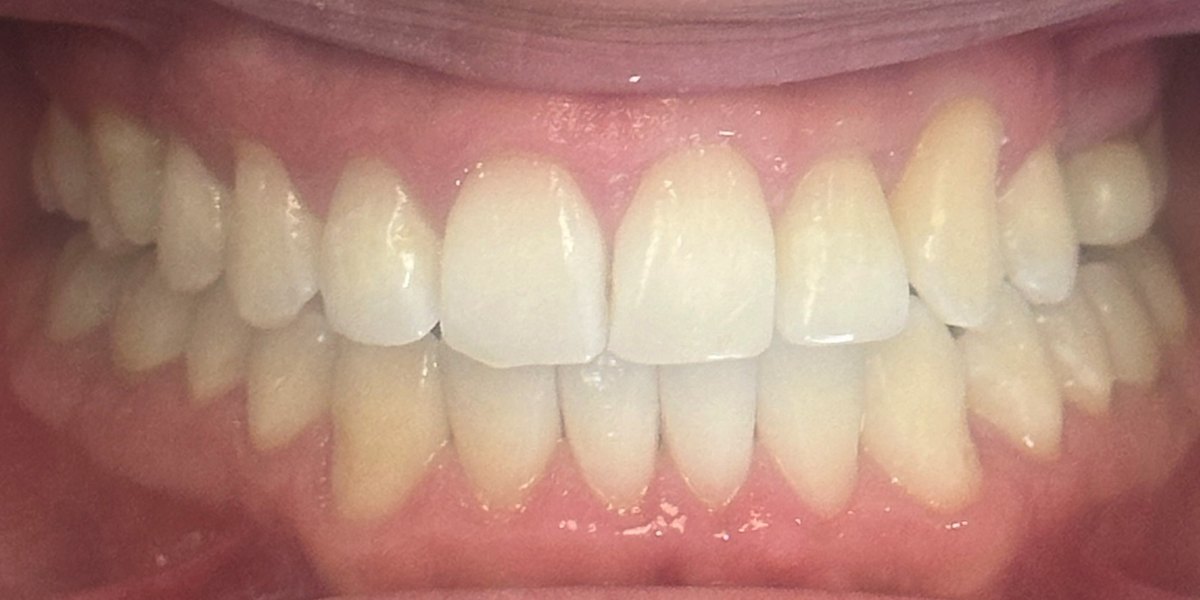
A high canine brought into line
A crowded upper tooth sitting high and out of line was moved into place with Invisalign clear aligners.
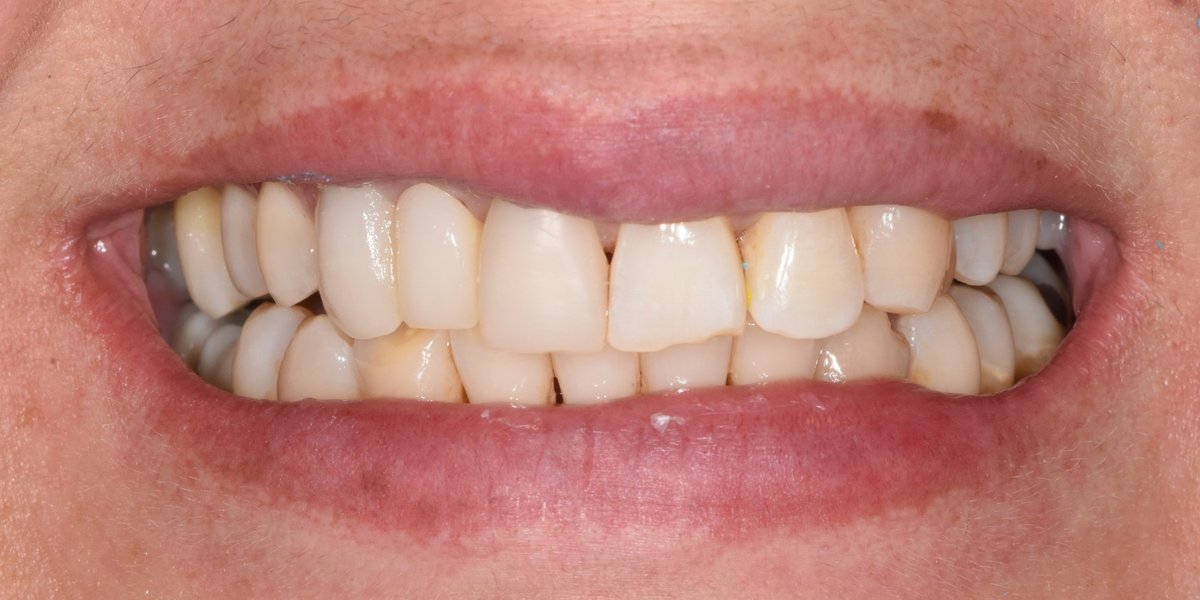
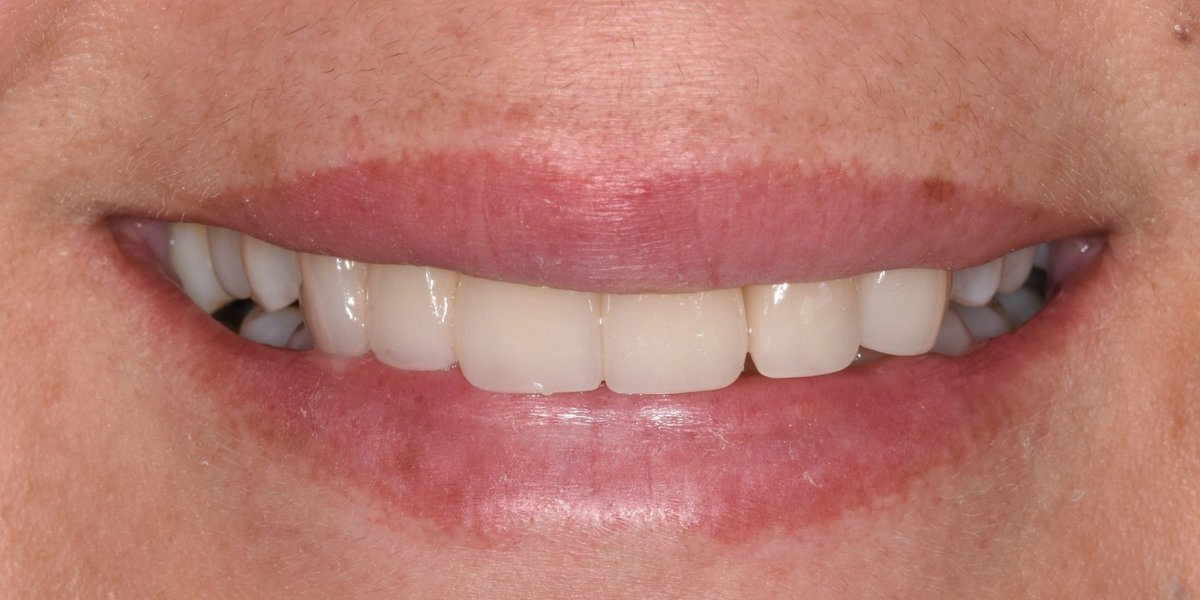
A full smile makeover
Invisalign straightened the teeth first. Implants, crowns and veneers then rebuilt the smile.
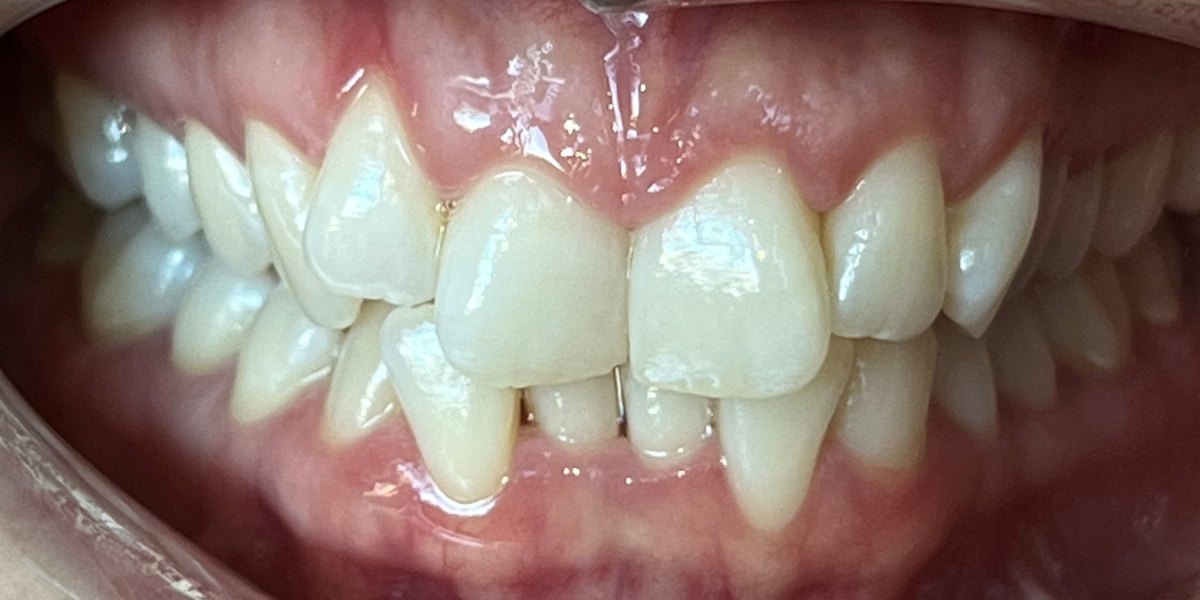
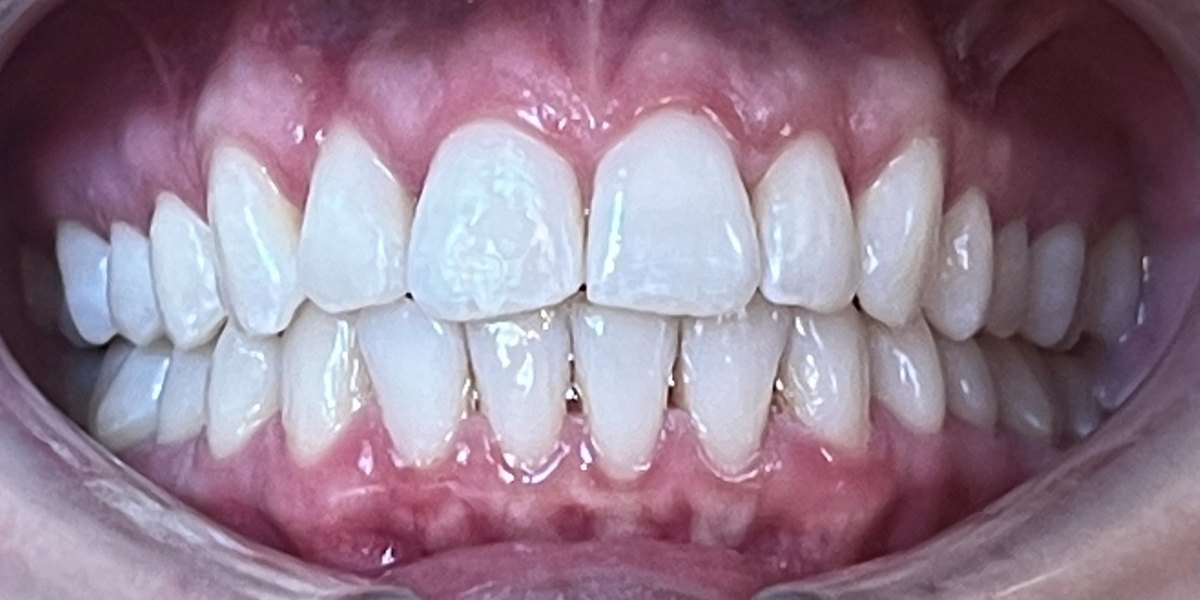
Severely crowded teeth straightened
Crowded, overlapping upper and lower teeth were straightened with Invisalign clear aligners, then whitened.
See more Invisalign results in the smile gallery
Invisalign compared with braces
| Feature | Invisalign | Metal braces |
|---|---|---|
| Visible | Nearly invisible | Yes |
| Eating | Remove the trays, eat anything | No popcorn, hard or sticky foods |
| Brushing and flossing | Same as always | Harder; more cavities around brackets |
| Office visits | Varies by case, on average every 1 to 6 months | Every 4 weeks for tightening |
| Depends on | Wearing the trays 22 hours a day | The wire, whether you cooperate or not |
Common Invisalign questions
- The first few weeks of Invisalign
- How often to change Invisalign trays
- Putting aligners back in without brushing
- When you start seeing results
- Can Invisalign fix severe cases?
- Invisalign for teens and kids
- Playing a wind instrument with Invisalign
- How long to wear retainers afterward
What it costs
Invisalign treatment here currently costs $3,450 with our $500 coupon, whether your case is simple or complex, and includes one set of retainers. See the details on Invisalign cost.
Common questions
How much does Invisalign cost?
It depends on how far the teeth need to move. You get a written quote at the consultation, many dental plans contribute an orthodontic benefit, and payment financing is available.
Will it affect how I talk?
Some patients have a slight lisp for the first day or two. It goes away as your tongue adjusts.
Can I drink coffee with the trays in?
Only water. Anything hot can warp the plastic and anything colored will stain it. Take them out, drink, rinse, put them back.
What if I lose a tray?
Call us. Usually you move to the next tray early or go back to the previous one until a replacement arrives.