

Meet Dr. Terrance Wolbaum
Dr. Wolbaum is passionate about dentistry, community service, and mentoring future dentists. A graduate of the University of Colorado School of Dental Medicine, he completed a General Practice Residency at the San Francisco VA, providing care to veterans. In Colorado, he served underprivileged communities as an Implant Coordinator and brought dental care to nursing homes across Denver. Outside the clinic, Dr. Wolbaum loves exploring Aurora with his wife Alicia, his kids Elena and Joaquin, and his dog, Rio.
Straightening your teeth with Invisalign is a significant step towards achieving that perfect smile. Still, the journey doesn't end when the aligners come off. The crucial next phase involves wearing retainers, a step often overlooked but essential in maintaining your newly aligned teeth. Dr. Terrance Wolbaum, a Gold Pro Invisalign Provider who offers valuable insights into the post-Invisalign retainer timeline, shares his expertise on how long retainers should be worn for optimal results. With his guidance, you'll learn the importance of retainer usage and how it plays a pivotal role in preserving your smile for years. Whether you're nearing the end of your Invisalign treatment or just starting to consider it, understanding this part of the process is key.
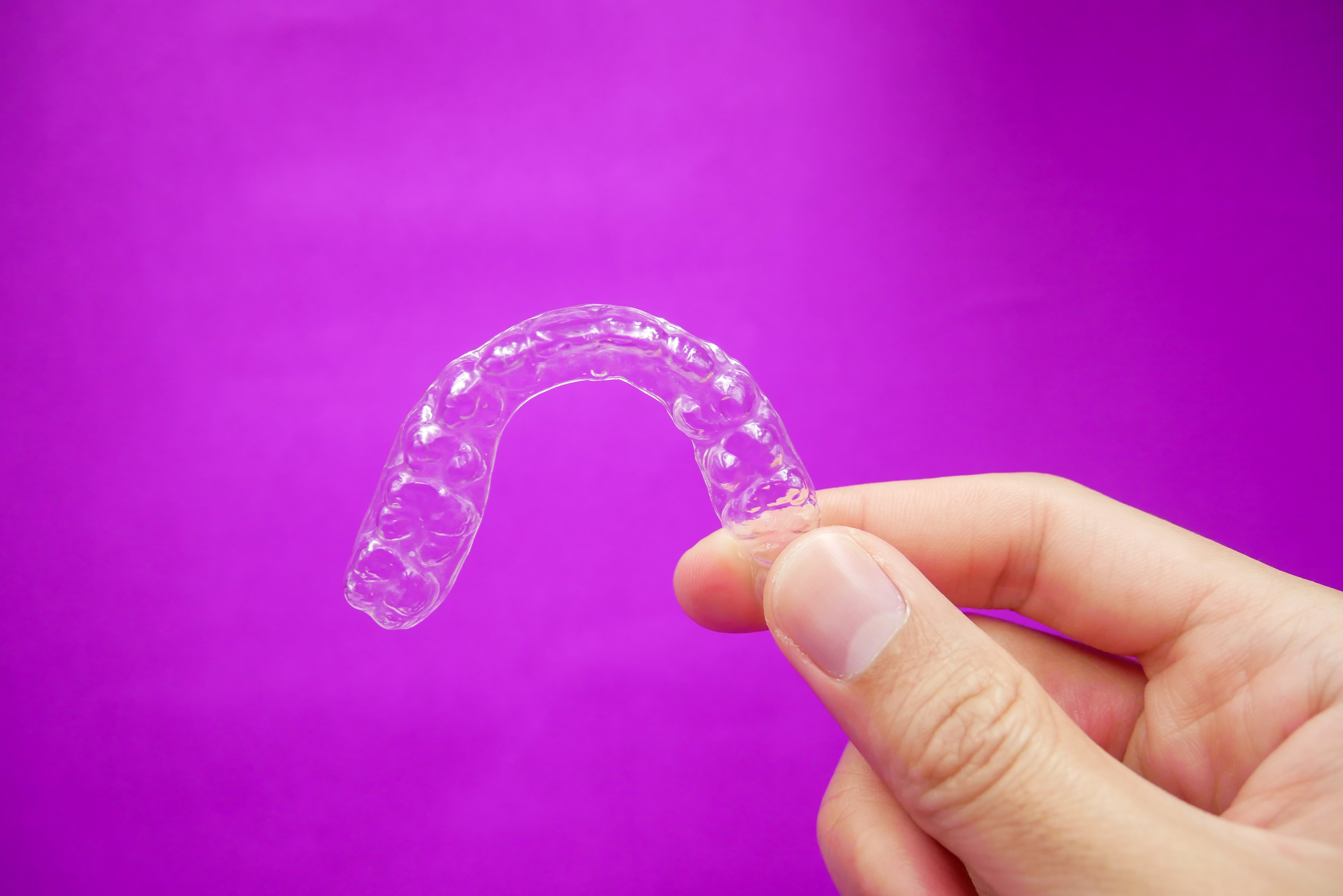
Understanding the importance of retainers after completing Invisalign treatment is crucial. Retainers ensure that your teeth remain in their new positions. Neglecting this phase can lead to the reversal of all the time and effort you invested in straightening your teeth.
Retainers play a vital role in stabilizing newly aligned teeth. After Invisalign treatment, teeth need time to settle into their new positions. Invisalign retainer care with Dr. Terrance Wolbaum ensures that teeth do not gradually shift back without retainers, undoing the alignment achieved.
Wearing retainers helps maintain alignment. They hold teeth in place while the surrounding bone and gums adapt to the changes. This adaptation period is crucial for long-term results.
Moreover, retainers contribute to oral health. Properly aligned teeth are easier to clean, reducing the risk of cavities and gum disease. Retainer usage duration, explained by Dr. Terrance Wolbaum, highlights that retainers preserve your smile and support overall dental hygiene.
Dr. Terrance Wolbaum emphasizes the critical nature of wearing retainers consistently. Dr. Terrance Wolbaum, on how long to wear Invisalign retainers, advises that the first few months after are the most crucial, as teeth are most prone to shifting back.
According to Dr. Wolbaum, patients should consider retainers an extension of their treatment plan. Just as they committed to wearing aligners, they must be equally diligent with their retainers to maintain results.
Dr. Wolbaum also points out that each patient's needs can vary. Regular follow-ups with a dentist can help tailor retainer use to individual circumstances, ensuring optimal outcomes for each patient.
Determining how long it takes to wear retainers after Invisalign is a common concern. The timeline can vary based on individual needs, but general guidelines exist for effective retention. For more information on dental retainers, check out this article.
After Invisalign, your teeth need time to settle into their new positions. For the first few months, you'll need to wear your retainers full time. Only remove them when you're brushing or flossing. This stage is important to prevent your teeth from shifting.
Once your teeth are stable, you can move to wearing retainers only at night. Whether you're using your last set of Invisalign aligners or a new retainer, wearing them while you sleep will help keep your smile in place.
During this phase, patients should be diligent. Wearing retainers after treatment by Dr. Terrance Wolbaum means consistent use helps prevent movement due to residual tension in the gums and bone. Skipping even a day can lead to noticeable shifts.
As teeth become more stable, the frequency of retainer wear can usually be reduced. However, this should always be done under the guidance of a professional to ensure teeth remain in their desired positions.
After the initial phase, a long-term strategy is essential. Most dentists recommend nighttime wear indefinitely. This helps to maintain alignment over the years, especially as natural changes occur with age.
Long-term retainer wear is about preservation and prevention. Even minor shifts can affect your smile, so regular use prevents gradual changes. It's a small commitment for lasting results.
Patients might wonder if they will need to wear retainers forever. Post-Invisalign retainer timeline by Dr. Terrance Wolbaum shows that while the necessity might decrease over time, consistent nighttime wear is a simple way to ensure your smile remains unchanged.
Dr. Terrance Wolbaum stresses the importance of personalized retainer timelines. He notes that while general guidelines exist, individual factors can influence the exact duration needed.
Dr. Wolbaum suggests regular check-ins. These appointments help assess how well teeth maintain their position and whether adjustments to retainer wear are necessary.
Ultimately, Dr. Wolbaum believes that open communication with your dentist is key. Tailored advice ensures that patients receive the best care and maintain their results effectively.
Several factors can influence how long you should wear retainers after Invisalign. Wearing retainers after Invisalign, guided by Dr. Terrance Wolbaum, considers personal dental history, lifestyle choices, and professional recommendations to determine the optimal duration.
Your dental history is a significant factor. If teeth were severely misaligned before treatment, they might require a longer retention period to prevent relapse.
Previous dental work, such as extractions or surgeries, can also affect retainer duration. These cases may need more tailored retention strategies to accommodate the changes in the mouth.
Genetics can play a part, too. Some individuals have teeth more prone to shifting, requiring more diligent retainer use to maintain alignment.
Lifestyle factors can also impact retainer wear. Those who engage in activities that stress the teeth, such as contact sports, may need additional protection or different retainer types.
Diet and oral hygiene habits can influence retention as well. A diet high in sugar or poor oral care can lead to dental issues that might necessitate ongoing orthodontic adjustments.
Regular dental check-ups are essential to monitor these factors. They ensure that any potential issues are addressed promptly, maintaining the effectiveness of your retainer use.
Dr. Terrance Wolbaum advises considering all personal factors when determining retainer duration. He emphasizes the importance of a comprehensive assessment to tailor retainer use effectively.
Dr. Wolbaum recommends discussing lifestyle and dental history with your orthodontist. This dialogue helps develop a retainer plan that fits your needs and circumstances.
Ultimately, Dr. Wolbaum advocates for a proactive approach. Regular evaluations and adjustments to retainer use ensure that patients maintain their smiles for the long term.
When selecting a retainer, consider your lifestyle and preferences. If you value convenience, a removable retainer may suit you better. For those who need constant reminders, fixed retainers might be a better choice.
Discussing options with your orthodontist is key. They can provide insights into which type will best maintain your results based on your treatment and personal habits.
Ultimately, the right retainer fits seamlessly into your life while providing the necessary support to align your smile.
Dr. Terrance Wolbaum, a Gold Pro Invisalign Provider, advises patients to evaluate their needs carefully. He suggests considering factors such as commitment to wear, maintenance, and comfort when choosing a retainer.
Dr. Wolbaum stresses the importance of regular follow-ups. These appointments ensure that the chosen retainer functions correctly and allow for necessary adjustments.
He believes that informed decisions lead to better outcomes. By understanding the benefits and limitations of each retainer type, patients can make choices that best support their orthodontic goals.
1. How often should I wear my retainer after Invisalign?
Wear it full-time for the first few months, then switch to nighttime wear as advised.
2. Can I stop wearing my retainer after a few years?
Not completely. Nighttime wear is usually recommended in the long term to keep teeth aligned.
3. What happens if I don't wear my retainer?
Teeth can shift back, undoing your Invisalign results and possibly needing retreatment.
4. What types of retainers are there?
Removable (Hawley or Essix) and fixed. Your orthodontist will suggest what suits you best.
5. How do I care for my retainer?
Clean it daily, avoid hot water, and store it safely. For fixed ones, brush well and visit your orthodontist regularly.
Wearing retainers after Invisalign is integral to ensuring your smile remains just as perfect as you envisioned. Retainer usage duration, explained by Dr. Terrance Wolbaum, emphasizes the importance of a personalized retainer plan that considers your unique dental history and lifestyle. By committing to consistent retainer use and care and staying proactive with regular orthodontic appointments, you can preserve the alignment achieved with Invisalign. Remember, achieving a beautiful smile is just one part of the journey; maintaining it is equally important. With diligence and professional advice, your investment in Invisalign can continue to pay dividends for years.
Remember:
Wearing your retainers as directed is the key to keeping your Invisalign results long-term. Skipping them can undo months of progress.
Disclaimer:
This information is for general guidance only and should not replace personalized advice from your orthodontist or dentist.
Pioneer Hills Dental is a comprehensive practice where patients of all ages can receive advanced dentistry in a state-of-the-art setting. Our dentist, Dr. Terrance Wolbaum , is an active member of many prestigious dental organizations, including:
To make dentistry more affordable for families, Dr. Wolbaum proudly accepts most dental insurance plans and financing through CareCredit® . To book your appointment, request a consultation online or call our practice at (303) 766-8811 .