

Dr. Terrance Wolbaum is passionate about dentistry, community service, and mentoring future dentists. A graduate of the University of Colorado School of Dental Medicine, he completed a General Practice Residency at the San Francisco VA, providing care to veterans. In Colorado, he served underprivileged communities as an Implant Coordinator and brought dental care to nursing homes across Denver. Outside the clinic, Dr. Wolbaum loves exploring Aurora with his wife, Alicia, his kids Elena and Joaquin, and his dog, Rio.
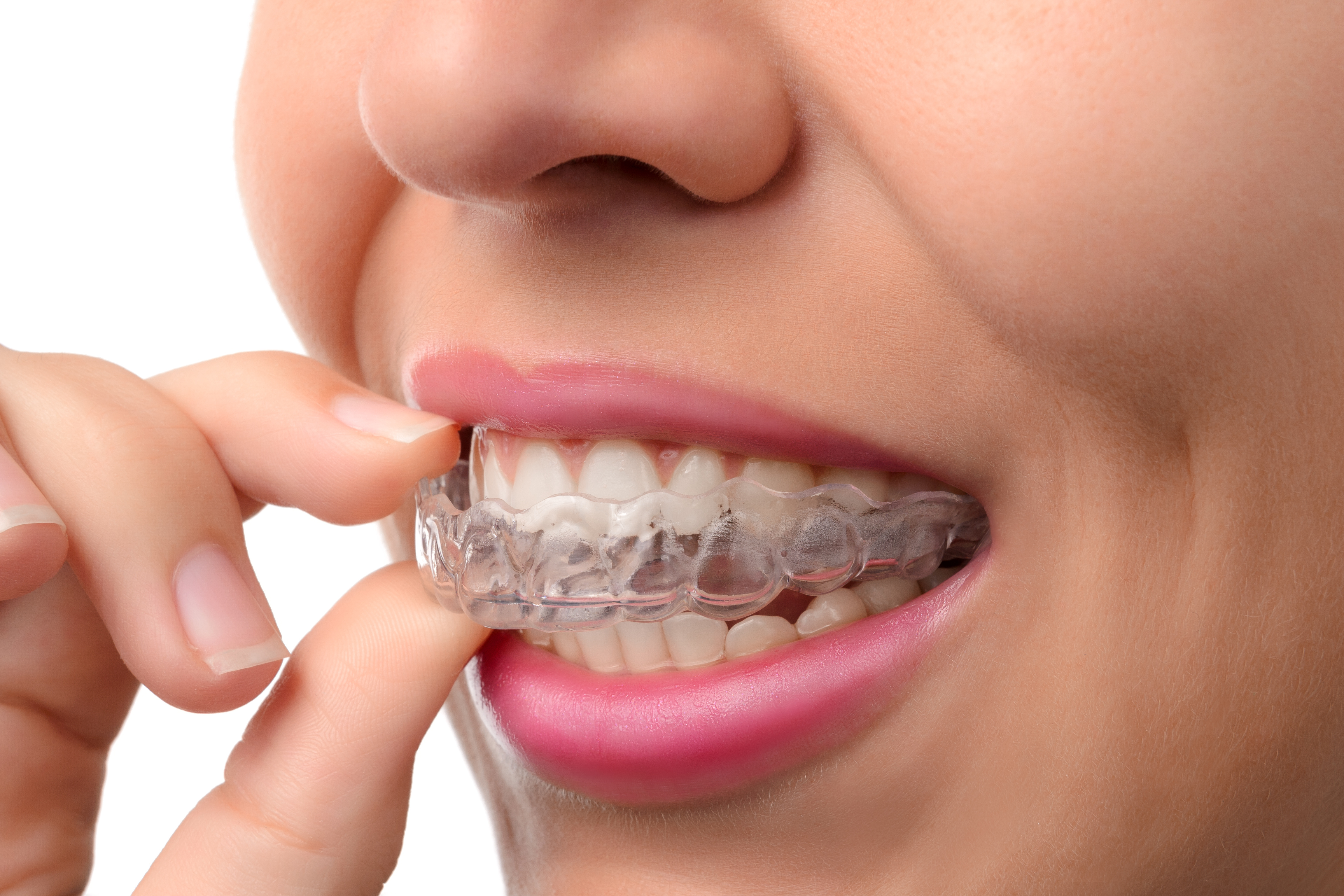
When people think about Invisalign, they usually imagine clear trays and straighter teeth. What they rarely think about is daily life behind the aligners. The small habits that change. The quiet moments of adjustment. The honest thoughts users have, but do not always talk about openly. Invisalign is not just a dental treatment. It becomes part of your routine, your schedule, and even your mindset for a while.
At Pioneer Hills Dental, Dr. Terrance Wolbaum has worked closely with many Invisalign patients. As a Gold Pro Invisalign provider, he has seen firsthand how the experience feels beyond the brochure promises. This blog shares real insights based on what Invisalign users commonly experience. Not just the results, but the journey itself. The good moments, the challenges, and the surprising changes that happen along the way.
If you are considering Invisalign or already wearing aligners, this honest look at life behind the trays will help you feel prepared and confident.
Most Invisalign users say the first few days are not painful, but they are noticeable. There is a feeling of pressure that makes you more aware of your teeth. This pressure is not sharp or alarming. It is steady and purposeful. It reminds you that movement is happening.
Speaking may feel slightly awkward at first. Some people notice a mild lisp for a short time.
Others feel more aware of how their mouths move when they talk, helping them learn how aligners fit into daily routines. These changes usually fade quickly as your tongue and lips adjust.
After the first couple of weeks, Invisalign wear becomes routine. Putting aligners in after brushing becomes automatic. The daily process feels less like a task and more like a habit.
Many users report that the biggest shift is mental rather than physical. You start thinking ahead. You plan meals better. You keep your aligner case nearby. You become more aware of time.
This sense of routine helps patients stay consistent. Consistency is one of the biggest reasons Invisalign treatment stays on track.
One of the most talked about changes Invisalign users mention is changes in eating behavior. Because aligners must be removed before brushing or cleaning, people start thinking twice before grabbing snacks. We recommend limiting unnecessary removals and sticking to planned meals, as consistent aligner wear helps keep treatment on track and prevents delays.
You can also discover Invisalign care advice from Dr. Terrance Wolbaum to stay consistent throughout treatment. Some users say they eat fewer sugary foods simply because removing and cleaning aligners takes effort. Others notice they eat more balanced meals since they are already planning eating times.
Coffee and tea habits may shift, too. Some patients reduce sipping throughout the day and instead enjoy drinks during meals. This can unexpectedly benefit oral health.
Invisalign users often become more committed to oral hygiene than ever before. Brushing after meals is no longer optional. Cleaning aligners becomes part of daily care.
This increased attention leads to long-term benefits. Many patients finish Invisalign with better brushing habits than they had before treatment. They also feel more aware of their overall oral health through daily Invisalign care tips.
Dr. Terrance Wolbaum emphasizes this aspect of Invisalign care at Pioneer Hills Dental. He encourages patients to view aligner care as an investment in their long-term smile health.
Many people worry about how Invisalign will affect their social life. The good news is that most users say the impact is minimal. Aligners are clear and discreet. Most people do not notice them unless told.
Removing aligners in public can feel awkward at first. Over time, patients find simple ways to manage it discreetly. Confidence grows as users realize Invisalign does not stop them from enjoying social events.
Smiling often feels more natural, even during treatment. Many patients feel confident knowing they are actively improving their smile.
One of the most interesting insights from Invisalign users is the emotional shift that happens during treatment. Progress may be slow, but it is steady. Small alignment changes can boost confidence early on through real Invisalign results and comfort.
Patients often feel proud of sticking to the routine. Wearing aligners consistently becomes a personal commitment. That sense of discipline can be empowering.
Some users say Invisalign feels like a quiet self-improvement project. The changes are subtle but meaningful.
Switching to a new set of aligners often brings temporary pressure. This is normal. Most users say the pressure fades within a day or two.
Some patients prefer switching aligners at night so they can sleep through the initial adjustment period. This simple habit can make transitions smoother.
Dr. Terrance Wolbaum works with patients to ensure that aligner changes are properly timed and monitored. His experience as a Gold Pro Invisalign provider helps patients feel confident throughout each stage.
Traveling with aligners requires a little planning, but it is manageable. Users quickly learn to pack aligner cases, cleaning tools, and extra supplies.
Airport meals and long trips may require flexibility, but Invisalign does not limit travel. Many patients appreciate that aligners are easy to manage, even on busy schedules.
Maintaining routines while traveling helps prevent delays in treatment.
Most Invisalign users say their work life remains unchanged. Meetings, presentations, and phone calls are rarely affected after the initial adjustment phase.
Aligners fit comfortably and stay in place during daily activities. Once patients settle into their routine, Invisalign becomes part of the background rather than a distraction.
This ease is one reason many adults choose Invisalign over traditional braces.
Progress may feel slow at first, but over time, it becomes noticeable. Patients often compare old photos or notice changes when flossing becomes easier. These small wins help patients stay motivated as they discover Invisalign care advice from Dr. Terrance Wolbaum. Invisalign success is built through consistent wear and patience.
Dr. Terrance Wolbaum reminds patients that progress is gradual by design. Each aligner plays a specific role in guiding teeth into place.
One insight many users share is how personal Invisalign feels. The aligners are custom-made. The treatment plan is specific. Progress follows a clear roadmap.
This personalization helps patients feel involved in their care. Invisalign is not something done to them. It is something they actively participate in.
That sense of control builds trust and confidence throughout treatment.
Having professional guidance matters. Regular check-ins help ensure aligners fit properly and progress stays on track.
At Pioneer Hills Dental, Dr. Terrance Wolbaum takes time to explain each phase of treatment. Patients appreciate understanding what is happening and why.
This support reduces uncertainty and helps patients stay committed.
Many users say they start feeling the benefits before treatment is complete. Smiling feels easier. Oral care feels simpler. Confidence builds gradually.
These early changes make the final results feel even more rewarding.
Invisalign becomes more than a cosmetic improvement. It becomes part of personal growth.
Most users report that Invisalign is comfortable after the initial adjustment period. Mild pressure is normal and usually fades quickly.
Aligners should typically be worn for 22-24 hours daily. Consistency helps keep treatment on schedule.
Some users notice slight speech changes early on, but this usually resolves within days as the mouth adapts.
Yes. Invisalign works well for people with busy schedules, travel plans, and professional responsibilities.
An experienced provider like Dr. Terrance Wolbaum helps ensure treatment is planned correctly and adjusted when needed.
Life behind the aligners is not about perfection. It is about progress, patience, and small daily choices. Invisalign users often discover that the journey is as meaningful as the final smile as they explore Invisalign stories with Dr. Terrance Wolbaum. The habits built, the confidence gained, and the discipline developed all contribute to lasting results.
With the guidance of Dr. Terrance Wolbaum at Pioneer Hills Dental, Invisalign patients receive support that goes beyond straight teeth. They gain clarity, confidence, and a smile that reflects consistent care.
Remember
Invisalign works best when aligners are worn consistently and properly cared for. Small daily habits make a big difference in long-term results.
Disclaimer
This blog is for general information only and does not replace professional dental advice. Always consult a qualified dental professional for personalized treatment recommendations.
Pioneer Hills Dental is a comprehensive practice where patients of all ages can receive advanced dentistry in a state-of-the-art setting. Our dentist, Dr. Terrance Wolbaum , is an active member of many prestigious dental organizations, including:
To make dentistry more affordable for families, Dr. Wolbaum proudly accepts most dental insurance plans and financing through CareCredit® . To book your appointment, request a consultation online or call our practice at (303) 766-8811 .